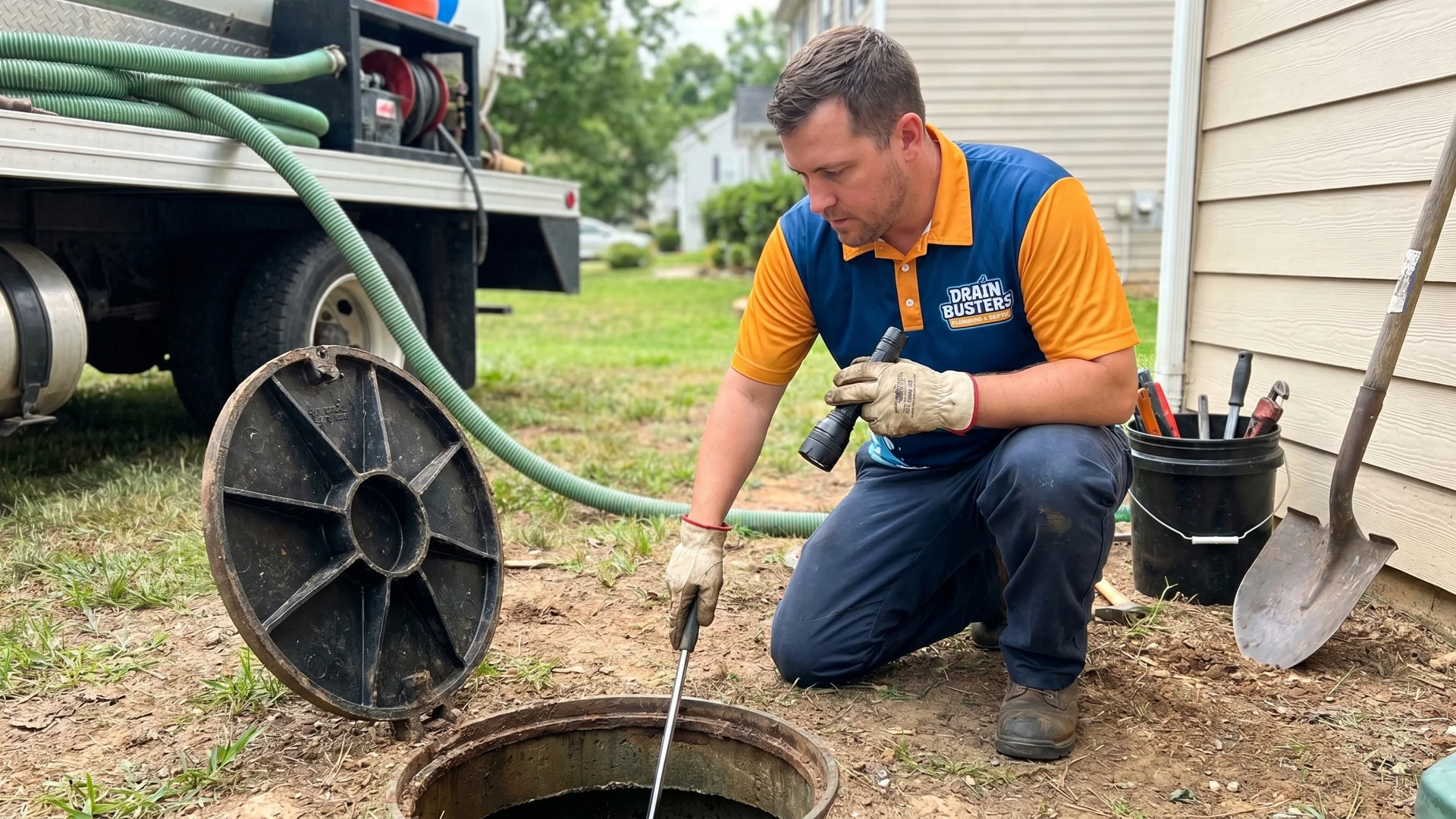
Ah, the humble septic tank – out of sight, out of mind… until it isn’t. If you’re a homeowner with a septic system, congratulations! You’ve joined the underground, literally, club of off-the-grid wastewater warriors.
But don’t worry, this isn’t a doom-and-gloom plumbing manifesto. We’re about to dish out the dirt, pun fully intended, in a fun, no-nonsense way that’ll leave you flush with knowledge.
- So, What Is a Septic Tank Anyway?
- Septic Tank 101: The Anatomy
- What Goes In Matters
- Maintenance: Love It or Dig It Up
- Warning Signs You Shouldn’t Ignore
- Septic Savvy = Money Saved
- Final Flush: The Takeaways
- Frequently Asked Questions
So, What Is a Septic Tank Anyway?
Imagine a digestive system for your house. Wastewater from your toilets, sinks, showers, and washing machines flows into a big underground container – your septic tank – where it gets “digested” by bacteria, separated into layers, and slowly released into a drain field to be filtered naturally by the soil.
It’s nature and science, people. Gross? A bit. But genius? Absolutely.
Septic Tank 101: The Anatomy
Your septic system has three main parts:
- The Tank: This is where the magic happens. Solids settle at the bottom, called sludge, oils float to the top, called scum, and the clearish liquid in the middle, called effluent, flows out.
- The Inlet Pipe: Delivers wastewater from your home.
- The Outlet Pipe & Drain Field: Distributes treated water into the soil.
Think of it like a lasagna: multiple layers, each with a purpose. Except you really, really shouldn’t eat this one.
What Goes In Matters
Here’s the golden rule: If it didn’t come out of you or wasn’t used to clean you, don’t flush it.
- No wipes, even if they say “flushable”
- No tampons, condoms, or cotton balls
- No grease, oil, or food scraps
- No harsh chemicals or bleach baths
Yes, your septic system is a hardy little beast – but even beasts can choke.
Maintenance: Love It or Dig It Up
Let’s be clear: septic systems are low-maintenance, not no-maintenance.
Pumping
Every 3-5 years, you need to have your tank pumped. That’s right – someone’s gotta suck that sludge out.
If you wait too long, your backyard could become a sewage swamp. Nobody wants to explain that at the next barbecue.
Inspections
Have a professional inspect the system every few years.
Catch small issues before they turn into a full-blown poo-nami.
Be Water Wise
Too much water overloads the tank. Spread out laundry days. Fix leaky faucets. Don’t shower like you’re in a music video.
The Drain Field: Sacred Ground
Your drain field isn’t just some patch of grass – it’s a living, breathing filter. Treat it with respect.
- Keep it clear of trees. Roots love pipes – like, too much.
- Don’t drive or park on it unless you want busted pipes.
- No building patios, sheds, or above-ground pools on top of it. We see you, DIYers.
Warning Signs You Shouldn’t Ignore
If your house starts to smell like a truck stop restroom, it’s time to investigate. Also watch for:
- Gurgling pipes
- Slow drains
- Water backing up into your sinks or tubs
- Standing water or lush green grass over your drain field, suspiciously lush
Septic Savvy = Money Saved
Taking care of your septic system can save you $5,000 to $15,000 in replacement costs. That’s a vacation to Italy, a new deck, or like, half a dozen ride-on lawnmowers for the overachievers out there.
Final Flush: The Takeaways
- Don’t treat your toilet like a trash can.
- Pump your tank every 3-5 years.
- Spread out water usage.
- Protect your drain field.
- When in doubt, call a pro.
When in doubt, schedule septic service and let a pro confirm what’s happening underground before your yard starts making the announcement for you.
Frequently Asked Questions
- How often should I pump my septic tank?
- What should I avoid flushing with a septic system?
- What are the biggest warning signs of septic trouble?
How often should I pump my septic tank?
Most homeowners should plan on septic pumping every 3-5 years. Larger households, heavy water usage, or older systems may need attention sooner.
What should I avoid flushing with a septic system?
Avoid wipes, tampons, condoms, cotton balls, grease, oil, food scraps, harsh chemicals, and anything that did not come out of you or was not used to clean you.
What are the biggest warning signs of septic trouble?
Gurgling pipes, slow drains, sewage odors, water backing up into sinks or tubs, standing water near the drain field, and suspiciously lush grass are all signs worth investigating.